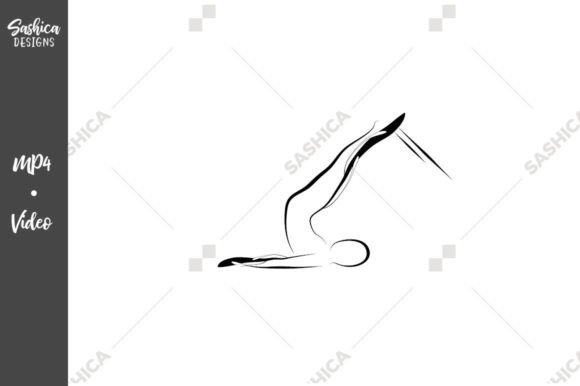
Pilates Reformer Animation: A Dynamic Visual Language
When you think of a premium font, your mind might jump to elegant serifs or crisp sans-serifs designed for print. But typography has evolved. Today, a Pilates Reformer Animation asset—a 4K 3840 x 2160 mp4 video—represents a new frontier in visual communication. It’s not just letters on a page; it’s movement, rhythm, and energy captured in a format that can transform a static brand into a living experience. For designers, entrepreneurs, and content creators, this type of animation offers a powerful tool to cut through digital noise with authenticity and flair.
The Visual Pulse of Pilates Reformer Animation
At its core, Pilates Reformer Animation is a creative font brought to life through motion. Imagine the smooth, controlled movements of a Pilates reformer translated into typography. The visual characteristics are fluid yet structured, blending the precision of a modern typography base with the organic flow of a script font or handwritten font. Each letterform might mimic the stretch and release of a muscle, the slide of a carriage, or the tension of a spring. The personality is active, healthy, and sophisticated—ideal for brands that want to convey balance, strength, and mindful motion.
Unlike static display font assets, this animation style carries an inherent rhythm. It’s not chaotic; it’s choreographed. The appeal lies in its ability to feel both professional and personal. It speaks to a generation that values wellness, movement, and visual storytelling. For a brand identity centered on fitness, lifestyle, or holistic health, this animation style can become a signature element that audiences instantly recognize and connect with emotionally.
Where This Animation Style Truly Shines
The applications for a Pilates Reformer Animation extend far beyond fitness studios. In editorial design, it can animate headlines for digital magazines or wellness blogs, making content feel immersive. For packaging design of activewear or supplements, animated text on product pages or social media teasers can highlight ingredients or benefits with a dynamic flair that static labels can’t match.
In web design, consider using it for hero sections, loading animations, or call-to-action buttons. The motion draws the eye, improves engagement, and can even guide users through a page intuitively. For social media graphics, especially on platforms like Instagram or TikTok, animated typography stops the scroll. It’s perfect for workout announcements, motivational quotes, or behind-the-scenes content that wants to feel energetic and real.
Small business owners and entrepreneurs can leverage this style to stand out in crowded markets. A commercial font license for such an animation allows for use in promotional videos, online courses, or email headers. Bloggers and publishers can use it to create memorable chapter titles or section breaks in digital publications. The key is matching the animation’s personality to your project’s core message—whether that’s empowerment, tranquility, or innovation.
How Motion Influences Brand Perception and Readability
Typography isn’t just about legibility; it’s about feeling. A Pilates Reformer Animation inherently influences visual hierarchy because motion naturally prioritizes elements. An animated headline will dominate a layout, ensuring your key message isn’t missed. This dynamic layer adds professionalism and a high-production value feel, which can elevate a brand’s perception from amateur to polished.
However, readability in motion requires careful consideration. The animation should enhance, not hinder, comprehension. The best implementations use controlled movement—perhaps a subtle slide or a gentle bounce—that doesn’t distort letterforms. It should feel like a natural extension of the text, not a distraction. For body text or lengthy paragraphs, static sans serif font or serif font pairings are still essential for comfort. The animation is best reserved for headlines, logos, or short impactful phrases where its energy can be fully appreciated without taxing the reader.
Practical Guidance for Implementation
Choosing to incorporate a Pilates Reformer Animation into your project starts with evaluating fit. Does your brand’s voice align with movement, health, or modern dynamism? If you’re a craft-focused brand emphasizing handmade stillness, it might clash. But for a tech startup, a wellness app, or a modern fitness brand, it could be perfect.
When testing font pairing, pair the animated display style with a simple, neutral typeface for supporting text. A clean sans serif font like Helvetica or a sturdy serif font like Georgia can provide a calm foundation that lets the animated headlines pop. Always review the included styles within the animation package. Does it offer different weights or speeds? Can the motion be customized to fit your brand’s pacing?
From a technical standpoint, ensure the 4K mp4 video file integrates smoothly into your platform. For web use, optimize the file size without losing quality to maintain fast load times. For print or static digital applications, you might extract a single frame to use as a static design asset, maintaining visual consistency across mediums.
Finally, understand the licensing. A commercial font license for an animation asset is crucial if you plan to use it in client work, merchandise, or monetized content. It protects your investment and ensures you’re using the asset legally and ethically.
In the end, a Pilates Reformer Animation is more than a premium font—it’s a strategic tool. It’s about choosing to communicate with energy and intention. For the right project, it doesn’t just display words; it embodies them.